
Hummus with Castilian chickpeas and Paprika Olmeda Origenes
Hummus with Castilian chickpeas Olmeda Origines
Ingredients:
300 gr. Castilian chickpeas SIMES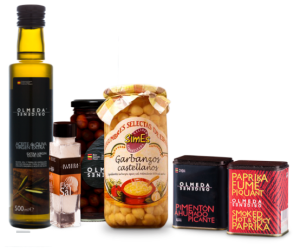
Extra virgin olive oil Olmeda Origines (40 ml approx.)
One tablespoon of tahini (sesame paste), or if you don´t have, use 1,5 tablespoon of toasted sesame from Santa Rita
The juice of one lemon or two (to taste)
50 ml of water (approx.)
2 Cloves garlic
A little of Fleur du Sel Olmeda Orígenes from Cadiz
Smoked sweet or spicy paprika Olmeda Orígenes
Pitted Cuquillo olives Olmeda Orígenes
Picos in olive oil or regañas from Jerez Olmeda Origenes
Directions:
With the Thermomix is made in a jiffy! Put 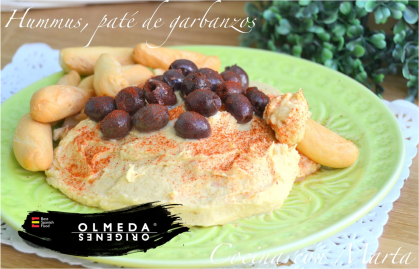 all the ingredients into the thermomix (except the paprika and cuquillo olives), one minute with progressive speed 3-5-9, and it will be ready. Try and if it is necessary add more salt, and if you want more garlic flavour, take one or more and beat again.
Also it can be made with any type of beater.
Serve and sprinkle with sweet or spicy paprika olmeda origenes and sliced cuquillo olives.
Accompanied by a Picos Jerezanos with olive oil or a Regañas is amazing!!! always Best Spanish Food!!
Recipe and photos elaborated by the famous spanish bloger Marta del Pino to Olmeda Orígenes, Thanks Marta!
Hummus con Garbanzos Castellanos Olmeda Orígenes
 Ingredientes:
300 gr. de garbanzos Castellanos de SIMES
Un chorrito de aceite de oliva virgen extra Olmeda Orígenes (40 ml. aprox)
Una cucharada de tahine (pasta de sésamo), y si no tenemos, una cucharada y media de sésamo tostado Santa Rita
El zumo de un limon o dos (depende del gusto)
50 ml de agua (un chorrito)
2 dientes de ajo
Un poco de Flor de Sal Olmeda Orígenes de Cádiz
Pimentón Olmeda Orígenes para espolvorear
Las aceitunas negras Cuquillo sin hueso Olmeda Orígenes
Picos Artesanos en Aceite de Oliva o Regañas Olmeda Orígenes
Preparación:
 En la Thermomix se hace en un periquete, echamos todos los ingredientes (menos el pimentón y las aceitunas), un minuto a velocidad progresiva 3-5-9, y listo. Probamos y rectificamos de sal, y si queremos mas ajo echamos uno más y volvemos a batir.
Se puede hacer perfectamente con cualquier tipo de batidora.
Servimos espolvoreando con pimentón dulce o picante Olmeda Orígenes y aceitunas negra cuquillo sin hueso picadas, ya veréis como engancha!!
Acompañado de unos picos jerezanos o unas Regañás es perfecto para tapear!!!
Fotos y receta elaboradas por la bloguera Marta del Pino para Olmeda Orígenes, muchas gracias Marta.

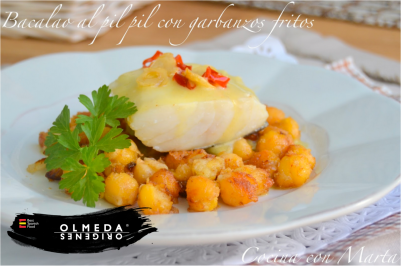
“Pil-Pil” Codfish with fried Castilian Chickpeas
“Pil-Pil” Codfish with fried Castilian Chickpeas Olmeda Orígenes
Ingredients: (4 people)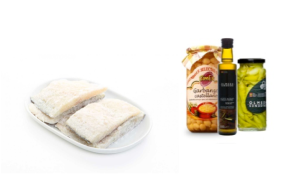
4 Salted cod loins special flap “Pil Pil” (1 tray) Olmeda Orígenes
4 or 5 cloves garlic
250 ml of Extra Virgin Olive Oil Olmeda Orígenes.
2 “Piparras” sweet chilli Olmeda Orígenes
400 gr. of Castilian Chickpeas Simes.
1 onion
Directions:
Tip: The cod must be desalted, as our codfish loins Olmeda Orígenes are salted they need to be at least 48 hours before consumption on water and change the water every 6 or 8 hours.
- We have to cover the pan with one centimetre of our extra virgin olive oil and then fry chopped garlic and chopped chilli. Don’t let then burn, because it would embitter the oil. Remove the garlic and Piparra “swet Chilli” from the oil and reserve.
- Add the cod loins to the hot oil, and let them sweat; they will start dropping their gelatine. Keep it on low heat until it has dropped all its gelatine, and them remove it from the heat.
- While the cod is sweating, take another pan and put a spoon of Extra Virgin Olive Oil Olmeda Orígenes and add a chopped onion and a sweet chilli pepper “piparra”. When the onion begins to be transparent, add the Castilian chickpeas from Simes and raise the heat. Cover the pan with a lid and fry the ch
 ickpeas for 5 or 10 minutes until they become golden, moving occasionally to prevent sticking.

Tip: The secret of a “Pil Pil” is that the oil must be emulsified with a fat, which in this case is the cod gelatine.
- Using a strainer, shake the oil with the gelatine until it gets a yellow colour with a great creamy texture.
- Cook the cod a few minutes (to not be raw) then add the “Pil Pil” sauce and the garlic and chillies that we had reserved previously and serve with the Castilian chickpeas. Olmeda Orígenes always Best Spanish Food.
Original Recipe elaborated by the spanish bloger Marta del Pino
Bacalao al Pil-Pil con Gabazos Castellanos fritos Olmeda Orígenes
Ingredientes para 4 personas:
4 lomos de bacalao Salado flap especial “Pil Pil” Olmeda Orígenes
4 o 5 dientes de ajo
200 ml de Aceite de Oliva Virgen Extra Olmeda Orígenes
Piparra Olmeda Orígenes
400 gr. de Garbanzos Castellanos Simes
Una cebolla
Preparación:
Consejo: El bacalao tiene que estar desalado, como está en salazón, hay que meterlo mínimo 24 horas antes en agua, y cambiarla cada dos o tres horas, y la noche entera.
- Cubrimos la sartén con un dedo de aceite, freímos los ajos cortados y la guindilla picada. No hay que dejar que se queme, porque amargaría el aceite. Apartamos los ajos y las guindillas del aceite y reservamos.
- En el aceite caliente, añadimos los lomos de bacalao, y dejamos que sude. Irá soltando su gelatina. Podemos mantener el aceite caliente con el mínimo de la temperatura de nuestra placa de inducción o vitrocerámica.
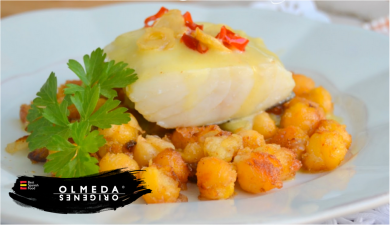 Una vez que haya soltado la gelatina, apártalo de este aceite.

Consejo: El secreto de un Pil Pil, es que el aceite tiene que emulsionar con una grasa, que en este caso es la gelatina del bacalao.
- Con un colador (el de colar la leche), vamos “meneando” el aceite, es decir vamos mezclando bien el aceite, ya veréis que color amarillo se le queda, queda cremoso y delicioso.
- Cocinamos el bacalao unos minutos (para que no esté crudo), añadimos el “Pil Pil”, y los ajos y las guindillas que teníamos reservadas.
- Mientras el bacalao suda, en un sartén añadimos un dedo de aceite de oliva y una cebolla picada con una guindilla. Cuando la cebolla empiece a estar transparente, añadimos lo garbanzos, subimos la temperatura, tapamos la sartén con una tapadera y freímos los garbanzos hasta que estén dorados. Hay que mover de vez en cuando para que no se peguen. Entre 5 y 10 minutos, estarán listos.
Receta original elaborada por la bloger española Marta del Pino.
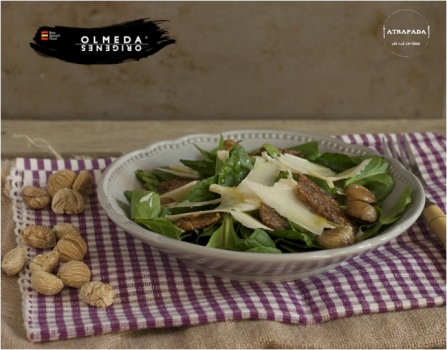
Autumn Salad Olmeda Origenes
AUTUMN SALAD OLMEDA ORIGENES
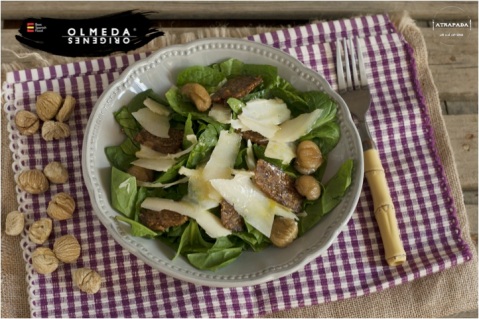
INGREDIENTS: 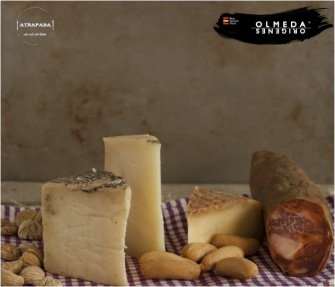
Spinach
Fig bread from Extremadura
Semi-cured Manchego cheese
Idiazabal cheese from Navarra
Mahon Cheese from Menorca
Dried Chestnut from Leon
Fleur du Sel from Cadiz
Extra Virgin Olive Oil from Granada
Sherry vinegar from Jerez
Forest Oak Honey from Villuerca Ibores D.O.
Sugar to caramelize the chestnuts
DIRECTIONS:
First, we caramelize the chestnuts from León, for that we make a syrup with the same quantity of sugar than water (half glass), once the mixture starts to boil add the chestnuts (that we will have moisturized in water during 24 hours and boiled for half an hour), and leave during several minutes until the chestnuts are caramelized.
Then we extract the chestnuts and let them cool. Once the chestnuts are cool we can proceed to make the salad. Firstly we clean and cut the spinaches and put them in a bowl. Then slice the Idiazabal Cheese D.O. from Navarra, Artisan Manchego Cheese D.O. from Toledo and Mahon Cheese D.O. from Menorca and the fig bread Olmeda Origenes from Extremadura and add everything to the bowl including the caramelized chestnuts.
To make the vinaigrette is necessary to put the following ingredients in a bowl: sherry vinegar from Jerez, extra virgin olive oil, fleur du sel and a spoon of forest ok honey from Villuerca Ibores D.O., then emulsify and add to the salad to taste.
This salad is very strong and high energy because contains cheese, chestnuts and fig bread, but also it could be perfect to accompany any dish of meat or fish; it will be great for lunch or dinner.
Recipe created by bloger: Lidia de la O: http://atrapadaenmicocina.blogspot.com.es/2014/11/ensalada-de-espinacas-tres-quesos-pan.html?utm_source=BP_recent
ENSALADA DE OTOÑO OLMEDA ORÍGENES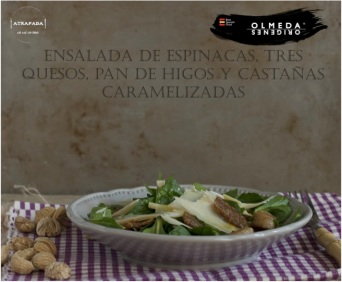
INGREDIENTES:
Espinacas
Pan de Higo Olmeda Orígenes de Extremadura
Queso Manchego Artesano D.O. de Toledo
Queso Idiazabal D.O. de Navarra
Queso Mahón D.O. de Menorca
Castañas de León
Flor de Sal Olmeda Orígenes
Aceite de Oliva Virgen Extra
Vinagre de Jerez
Miel de Encina de Villuercas Ibores D.O.
Ázucar para caramelizar las castañas.
PREPARACIÓN:
Lo primero que tendremos que hacer es caramelizar las castañas, para ello haremos un almíbar con la misma cantidad de agua que de azúcar (medio vaso de cada), una vez que empiece a hervir añadimos las castañas (que habremos hidratado en agua durante unas 24 horas, y hervido durante media hora), dejamos durante unos minutos dentro, hasta que se caramelicen. Sacamos y dejamos enfriar sobre una rejilla. Una vez frías procederemos a preparar la ensalada. Para ello disponemos en el plato las espinacas limpias y cortadas. Añadimos unas lascas de los tres quesos. Loncheamos el pan de higos y añadimos. También añadiremos las castañas caramelizadas. Preparamos una vinagreta con la sal, el aceite, el vinagre y una cuchara de miel o sirope dorado. Una vez haya emulsionado la vinagreta añadimos a la ensalada y servimos.
Se trata de una ensalada contundente, por contener queso, castañas y pan de higos. Podemos acompañar con cualquier pescado o carne a la plancha y será un almuerzo de diez.
Receta creado por: Lidea de la O: http://atrapadaenmicocina.blogspot.com.es/2014/11/ensalada-de-espinacas-tres-quesos-pan.html?utm_source=BP_recent
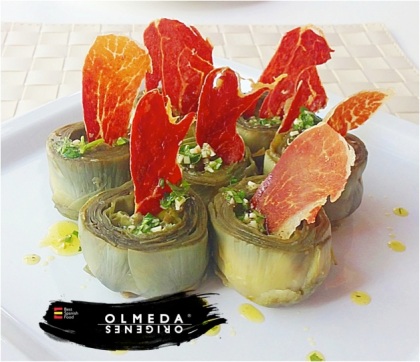
Artichokes in vinaigrette with crispy Ham Olmeda Orígenes
Artichokes in vinaigrette with crispy ham.
Recipe courtesy of Floruca
Ingredients:
Hearts Artichokes from Simes
Extra virgin olive oil Olmeda Origenes
Sherry vinegar Olmeda Origines
Bodega Ham Olmeda Origines
Fresh Parsley
Garlic
Fleur du Sel Olmeda Orígenes
Directions:
 To crispy ham:
Place absorbent kitchen paper on a plate. Place the slices of ham (must be very thin) well separated from each other over the kitchen paper. Cover with more absorbent kitchen paper and with a plate. Put it into the microwave on high for 2 minutes. Turn the ham slices and put it 1 minute more. Remove the paper and allow to cool.
The vinaigrette:
Chop parsley and garlic very fine, the amount depending on the number of artichokes, and put in a bowl. Then add extra virgin olive oil Olmeda Orígenes, our sherry vinegar from Jerez and a little salt. Beat with a fork until the ingredients are mixed and reserve.
At the end, place the artichokes in a bowl. Put a teaspoon of vinaigrette, for each. Break the crispy ham and puncture a piece to each artichoke, serve and enjoy.
Alcachofas en vinagreta con crujientes de Jamón Olmeda Orígenes
Ingredientes:
Corazones Alcachofas Simes
Aceite de oliva virgen extra Olmeda Orígenes
Vinagre de Jerez Olmeda Orígenes
Jamón Ibérico en finas lonchas Olmeda Orígenes
Perejil fresco
Ajos
Sal
Instrucciones:
Para el crujiente de jam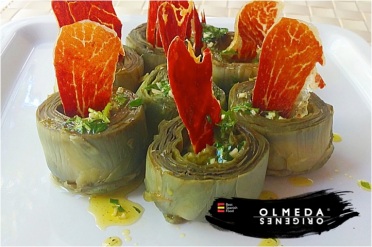 ón:
ón:
Ponemos papel absorbente de cocina sobre un plato llano. Encima del papel las lonchas de jamón separadas unas de otras (deben ser finísimas para que se queden secas y crujientes). Cubrimos con papel absorbente. Ponemos otro plato llano encima. Llevamos al microondas, a máxima potencia, 2 minutos. Les damos la vuelta a las lonchas y dejamos 1 minuto más. Quitamos el papel y las dejamos enfriar.
Para la vinagreta:
Picamos muy menudito el perejil y los ajos, la cantidad según el número de alcachofas, ponemos en un bol. Le añadimos aceite virgen extra Olmeda Orígenes, Vinagre de Jerez y un poco de flor de sal. Batimos con un tenedor hasta que se mezclen los ingredientes y reservamos.
Finalmente colocamos las alcachofas en una fuente. Le ponemos, a cada una, una cucharadita de vinagreta. Rompemos los crujientes de jamón y pinchamos un trozo a cada una. Servimos enseguida acompañadas de un poco más de vinagreta para que cada cual se sirva a su gusto.

Olmeda Origenes in Maldives…
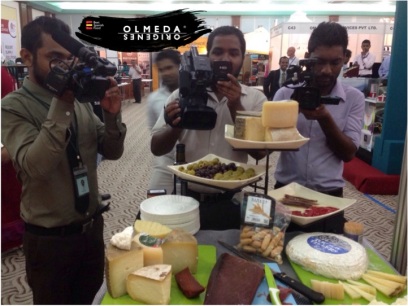
Two weeks ago we were in Maldives, and with the collaboration of our partner there, we participated in the Hotel Asia Exhibition & International Culinary Challenge 2014 in Maldives. In this event the best Chefs of the place had the chance to taste our products, share their impressions with us and learn some tips and recipes for our products… Find more pictures of the event on our Facebook.
Hace dos semanas Olmeda Orígenes junto con nuestro socio en Maldivas estuvimos presentes en la Hotel Asia Exhibition & International Culinary Challenge 2014. Durante este evento los mejores chefs de Asia tuvieron la oportunidad de degustar nuestros productos, quesos, embutidos, jamones…. , compartir con nosotros sus impresiones y aprender algunos consejos y recetas sobre nuestros productos… Os dejamos algunas fotos del evento.
#BestSpanishFood #OlmedaOrigenes
Mojama with pine-nuts Vinagrette Olmeda Orígenes // Mojama con Vinagreta de Piñones Castellanos

Mojama with pine-nuts vinaigrette Olmeda Orígenes
Ingredients:
Mojama Olmeda Orígenes
Pear-shaped tomatoes
Castilian Pine-nuts
Oregano
Extra Virgin Olive Oil Olmeda Orígenes
Sherry Vinegar from Jerez
Fleur du sel
Preparation:
Place the slices of Mojama on the serving-dish. In a bowl put the dicing tomatoes, pine nuts, salt, oregano, vinegar and extra virgin olive oil (amounts to taste). Emulsify the vinaigrette and spread over the Mojama.
Mojama con Vinagreta de Piñones Olmeda Orígenes
 Ingredientes:
Filetes de Mojama Olmeda Orígenes
Tomates pera
Piñones
Orégano
Aceite de oliva virgen extra
Vinagre de Jerez
Flor de Sal
Preparación
Colocar la mojama cortada en filetes en la fuente de servir. En un bol poner los tomates troceaditos, los piñones, la sal, el orégano, el vinagre y el aceite de oliva virgen extra (cantidades al gusto). Emulsionar la vinagreta y esparcirla sobre la mojama.
Olmeda Trip Day 6: Quesuco Verato, Smoked Paprika from La Vera and fig bread Olmeda Orígenes.

Olmeda Trip Day 6: Quesuco Verato, Smoked Paprika from La Vera and fig bread Olmeda Orígenes.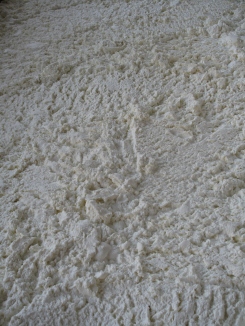
Yesterday was our last day,( we finished our journey through Spain), in which we put end to our route for Spain, we h
ave crossed our geography, more than 2000 km, visiting our partners-producers in their origin, in their village, making known the products Olmeda Orígenes.
This week has been very rewarding experience for us and for our importers, who have discovered the philosophy of Olmeda Orígenes, the efforts of the Flores brothers, the illusion of Oscar, the passion of Marcelino, the happiness of Tiburcio…. between all of themmake Olmeda Orígenes, giving that value that makes our products unique, because Olmeda Orígenes is their traditions, their customs, their origins…. because Olmeda Orígines are from countryside, the authentic countryside!
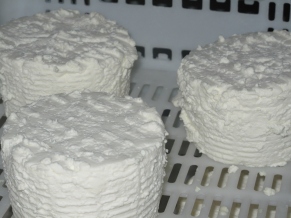
We started the day in Losar de la Vera, a small town of almost 3000 inhabitants, visiting the cheese factory of Joana, a cheese master who elaborates one of the most special cheeses of Olmeda Origenes, the Quesuco Verato Cheese made with pasteurized milk from Verata Goat that cured for at least 20 days reaches amazing flavours.Today we have been lucky, they are elaborating Quesuco Verato, for what we could enjoy the process of live production, to conclude the route by the dairy we tasted the Quesuco Verato Cheese….Super!!!
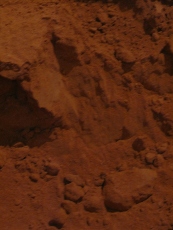 After this visit, we went to met Javier, the producer of paprika Olmeda Orígenes, who tells us about the elaboration process of paprika, how it is made, the history how it came to Spain, and its expansion through Yuste Monastery, that is placed in this area of La Vera. Then we visited the plant with the nice company of Javier.
Without leaving Losar de la Vera, we concluded the morning visiting our producer of Fig Bread, we could only visit their plant, because we fig season is finished and they are not producing until next fig season, but it is interesting to know how fig bread is made.
We finished the visit to little meters from the fig bread plant, in the Garganta de Cuartos, where we enjoyed a traditional lunch with typical products from Extremadura, where the star product was the smoked paprika Olmeda Orígenes.
Descubriendo Olmeda día 6: Quesuco Verato, Pimentón de la Vera y Pan de Higo.
 Ayer Viernes fue nuestro último día, en el que pusimos fin a nuestra ruta por España, hemos recorrido nuestra geografía, más de 2000 km. de travesía visitando a nuestros socios-productores en su origen, en su pueblo, dando a conocer los productos Olmeda Orígenes.
Este semana ha sido muy enriquecedora tanto para nosotros como para nuestros importadores, que han descubierto la filosofía de Olmeda Orígenes, el esfuerzo de los hermanos Flores, la ilusión de Oscar, la pasión de Marcelino, la alegría de Tiburcio…. entre todos ellos hacen Olmeda Orígenes, dando ese valor que hace únicos nuestros productos, porque Olmeda Orígenes, es cada productor, sus tradiciones, sus costumbres, sus orígenes…. porque Olmeda Orígenes somos de Pueblo… de Pueblo!! Pueblo!!.
Comenzamos el día en de Losar de la Vera, una pequeña localidad de casi 3000 habitantes, visitando la quesería de Joana, una maestra quesera que elabora uno de los quesos más especiales de Olmeda Orígenes, el Quesuco Verato, hecho con leche pasteurizada de cabra verata y que curado durante 20 días alcanza sabores sorprendentes. Hoy hemos tenido suerte casualmente están elaborando Quesuco Verato, por lo que pudimos disfrutar del proceso de elaboración en directo. Una vez recorrida toda la quesería realizamos una cata de Quesuco Verato… Espectacular!!
Posteriormente nos dirigimos a conocer a Javier, el productor del Pimentón Olmeda Orígenes, quién nos habla de sobre la historia del pimentón, como llego a España, exactamente al histórico monasterio de Yuste situado en esta comarca, su proceso de fabricación…. , y en su compañía vistamos la fábrica.
Sin movernos de Losar de la Vera concluimos nuestra jornada con nuestro productor de Pan de Higo, solo podemos visitar sus instalaciones, ya que al no ser temporada de higos no están produciendo, pero siempre es interesante conocer como se produce el producto de la mano de su artesano.
Terminamos la visita a muy poco metros de la fábrica de Pan de Higo, en la garganta de Cuartos, donde disfrutamos de un tradicional almuerzo Extremeño, con recetas, donde la estrella era el pimentón.

Olmeda trip day 5: Torta Extremeña Cheese, Ibores Cheese, Quince Jelly Olmeda Orígenes.

Olmeda Trip Day 5: Torta Extremeña Cheese, Ibores Cheese and Quince Jelly Olmeda Orígenes.
Yesterday our first stop was in the winey of our friends from Bodegas Ruiz Torres, we visited their new winey very quickly, it is placed in a natural and beautiful landscape.
Then, we continued our j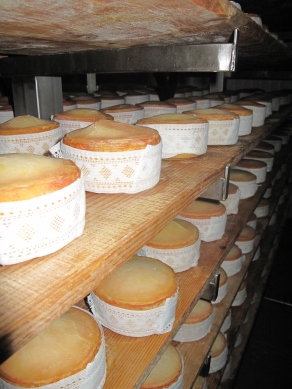 ourney to Campanario, a town in the province of Badajoz, place in the Serena Area. There, we met with Marcelino, an expert and passionate cheese makers who make our Torta Extremeña Cheese Olmeda Orígenes.
During the visit, Marcelino tells us how Torta Extremeña Cheese is made, this amazing cream cheese is elaborated with raw milk from merina sheep, cured for at least 60 days, in rooms with wooden shelves using traditional methods. When we finished the tour for Macelino´s dairy, he invited us to cheese tasting, with Torta Extremeña Olmeda Orígenes and its different formats, with truffles, aged and other exquisite creamy goat cheese.
After the pleasant stay with Marcelino, we went to Deleitosa, where our partner Tiburcio was awaiting our arrival to show us how he makes one of the most famous goat cheese of our country “The Ibores Cheese”.
Tiburcio showed us that technological advances in the production process are compatible with the traditional character of the products. In his small dairy only work he and his wife and they continue to make the cheese Ibores like a lifetime, but now thanks to new machined they have doubled their production and increase health conditions and get a cheese with better quality and the same tradition.
To conclude the visit Tiburicio gave away us a small taste of Ibores cheese and a masterclass about the cheeses, their aged, their molds…. while he was speaking, he revealed a big passion and extensive knowledge about the product, looking more a biochemist than a cheese maker.
 A mid-afternoon, we arrived to La Vera area; we headed to Guijos de Santa Barbara, a small town of 400 inhabitants. In this village, Alonso was waiting for us. He is a young boy who continues the family tradition of preparing sweets and jams. Every year Alonso’s family elaborate the great Quince Jelly Olmeda Origenes, with only fresh quinces harvested in the area of La Vera. When we asked him for the recipe, he refused to respond, but he answered: “this is my family secret, I cannot tell you but you know, this is so simply, just 35% of sugar and 65% of quince”.
We ended the visit tasting different jams of onions, peppers, cherries … other great products such as figs and chestnuts in syrup and of course our star product the Quince Jelly Olmeda Orígenes.
Today, we continue our stay in La Vera area,firstly we will discover a very special the Quesuco Verato Cheese and then the most famous product of la Vera Smoked Paprika.
——————————————————————————————————————————————————
Descubriendo Olmeda día 5: Torta Extremeña, Queso Ibores y Dulce de Membrillo Olmeda Orígenes.
A la salida de Cañamero hicimos nuestra primera parada en la Bodega de nuestros amigos de Ruiz Torres, visitamos sus nuevas instalaciones situadas en un impresionante paraje natural.
 Tras la breve estancia en la bodega nos dirigimos a Campanario, un pueblo de la provincia de Badajoz enclavado dentro de la comarca de la Serena, allí nos encontramos con Marcelino, un gran apasionado y experto quesero, quien elabora la Torta Extremeña Olmeda Orígenes.
Durante la visita Marcelino nos cuenta el proceso de elaboración de la torta extremeña, un sorprendente queso cremoso, que se elabora con leche cruda de oveja merina, curado un mínimo de 60 días en cámaras con baldas de madera siguiendo los métodos tradicionales. Al terminar le recorrido por la quesería Marcelino nos invita a una degustación tanto de Torta Extremeña, como sus diferentes formatos, con trufa, añeja y un exquisito queso cremoso de cabra.
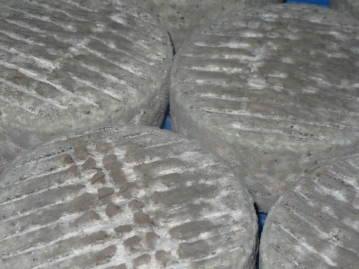 Finalizada la agradable estancia con Marcelino, pusimos rumbo a Deleitosa, donde Tiburcio aguardaba nuestra llegada, para enseñarnos como se elabora uno de los quesos de cabra más famosos de nuestro país el Ibores.
Tiburcio nos demostró que los avances tecnológicos en la fabricación son compatibles con el carácter artesanal de los productos. En su pequeña quesería solo trabajan él y su esposa y continúan haciendo el Queso de Ibores como toda la vida, pero ahora gracias a unas nuevas maquinan han conseguido duplicar su producción, aumentar los controles sanitarios y en definitiva obtener un queso de mayor calidad pero de igual tradición.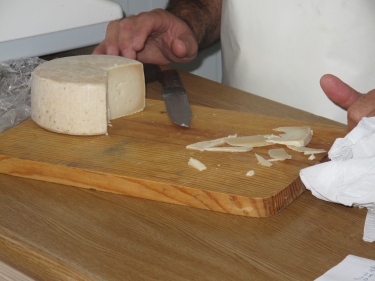
Para terminar la visita nos ofrece una pequeña degustación de queso Ibores, tiempo que nos ofrece una master-class sobre el Queso, su maduración, su mohos…. cuando habla le delata su pasión y alto conocimiento sobre el producto, pareciendo más un bioquímico que un maestro quesero.
A media tarde ya en la comarca de la Vera, nos dirigimos a Guijos de Santa Bárbara, donde nos espera Alonso, un joven del pueblo que continua la tradición familiar de la elaboración dulces y mermeladas. Con la ayuda de su padre Alonso prepara cada año el extraordinario membrillo Olmeda Orígenes, solo con membrillos frescos cosechados en la comarca. Preguntándole por la receta, se resiste a responder, diciendo: “es secreto familiar, en la sencillez está el sabor, solo 35% azúcar y 65% membrillo”.
Terminamos la visita degustando diferentes mermeladas, de cebolla, de pimiento, de cereza… ,otros magníficos productos como los higos y castañas en almíbar y por su puesto la estrella de nuestro Membrillo Olmeda Orígenes.
Hoy, continuaremos nuestra estancia en la vera, primero descubriremos un queso muy especial el Quesuco Verato y posteriormente el producto más famoso de la Vera el Pimentón.

Olmeda Trip: Day 4. Artisan Manchego Cheese and Anchovies…
Olmeda Trip: Day 4 Discovering Manchego Cheese, Anchodinas…..

Yesterday we started the day in Toledo Madridejos a town around 120 km from Madrid, where Goyo and his wife Angelines were waiting us. These artisans make in their small dairy our Manchego Cheese Olmeda Orígenes with Artisan D. O. because it is made with raw milk according to D.O. regulations.
The milk is collected from typical Machega sheep, which they take care in their dairy. They told us the key to get a great Manchego cheese is to get a good milk, for this reason the sheep´s feeding is very important for this every day at 7 a.m. Goyo’s father, that is over 70 years old, continues taking the sheep to graze in the Manchego field, ridding his donkey remembering the tradicional Manchego shepherd that Cervantes immortalized as Sancho Panza in his book Don Quijote de la Mancha.

We continue our visit to the dairy with Angelines who explained us how Manchego Cheese is made step by step, from milking to packing, to finish they gave away to our importers with a tasting of different types of Manchego cheese made by these artisan, semi-cured, cured and aged and two special cheese cured with olive oil and with rosemary.
After this visit without leaving La Mancha, we went to Socuellamos a village in the province of Ciudad Real, here we visited our partners Eleazar and Kiko, the producers of our Anchodinas, white anchovies and our new product the Mojama Olmeda Orígenes.
We visited their plant discovering how these fresh preserved fish are made, during the visit our importers asked, how is it possible that in the middle of Ciudad Real, so far from the sea, Can you make wonderful products?. Eleazar replied telling us his origins in the family fish shop, that still maintain in the market of the town, where they made canned fish to keep the fresh fish for more time from many years ago.
To conclude the visit we enjoyed a nice lunch with them where our importers had the chance to try different products made by Eleazar and Kiko to Olmeda Orígenes, as anchovies, Mojama, white anchovies…. all of them marinated with fine wines from La Mancha.
We continued our journey to Extremadura, there we met with our friends from Bodegas Torres Ruiz and with them we had a great dinner in Cañamero, a village in the province of Cáceres. Today, we have a long day,firstly we will discover how our Torta Extremeña is made, and then we will go to Deleitosa where the good man of Tiburcio will be waiting us with his amazing Ibores cheese.
———————————————————————————————————————————————————-
Descubriendo Olmeda día 4: Queso Manchego, Boquerones y Anchodinas.
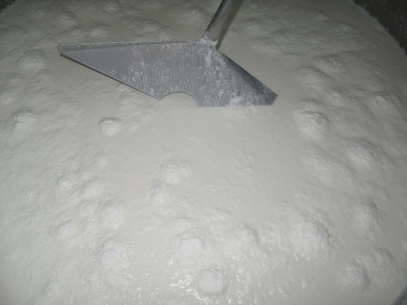 Ayer empezamos el día en Madridejos un pueblo de Toledo a unos 120 km de Madrid, allí nos esperan nuestros socios Goyo y su esposa Angelines, maestros queseros que regentan la quesería familiar en la que elaboran nuestro Queso Manchego Olmeda Orígenes con denominación de origen Artesano, porque se elabora con leche cruda obtenida de ovejas manchegas que cuidan y miman en sus instalaciones.
Al comenzar la visita nos cuenta que una de las claves para obtener un gran queso es una buena leche y la base de la leche es la alimentación de las ovejas, por ello cada día y a las 7 de la mañana el padre de Goyo a sus más de 70 años de edad continua llevando a las ovejas a pastar en el campo manchego, montado en su burro rememorando al tradicional pastor manchego que Cervantes inmortalizó como Sancho Panza en su obra El Quijote.
Continuamos nuestra visita por las quesería donde Angelines nos explica paso a paso la elaboración del queso Manchego, desde la obtención de la leche hasta su madurado, para finalizar obsequian a nuestros importadores con una degustación de todos los tipos de Quesos Manchegos elaborados por estos artesanos, semi-curado, curado y añejo, y sus dos curados especiales al aceite de oliva y al romero. 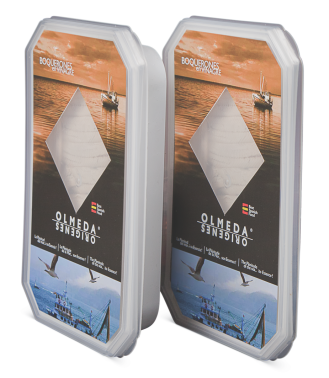
Una vez terminada la visita y sin abandonar la mancha nos trasladamos a Socuéllamos un pueblo de la provincia de Ciudad Real, aquí visitamos a nuestros socios de Eleazar y Kiko, los encargados de elaborar nuestras fabulosas Anchodinas, Boquerones y la Mojama Olmeda Orígenes.
Visitamos sus instalaciones descubriendo como elaboran estas semi-conservas de pescado, durante la visita a nuestros importadores les surge una pregunta, ¿como es posible que en mitad de Ciudad Real, en un pueblo tan alejado del mar se elaboren estos maravillosos productos?. Eleazar nos contesta remitiéndose a sus orígenes en la pescadería familiar que aún hoy conserva su familia en el mercado del pueblo, donde desde hace muchos elaboraban estas conservas para aprovechar todo el pescado fresco.
Para concluir la visita disfrutamos de un agradable almuerzo con ellos donde nuestros importadores degustaron distintos productos allí elaborados marinados con buenos vinos de la mancha.
Proseguimos nuestro viaje hacia Extremadura donde nos encontramos con nuestros grandes amigos de Bodegas Ruiz Torres en Cañamero un pueblo de la provincia de Cáceres, con quienes disfrutamos de distendida cena con productos tradicionales de la de la zona y los grandes vinos de la familia Ruiz Torres.
Hoy tenemos un largo día por delante, primero descubriremos los secretos de la Torta Extremeña en Campanario y después en Deleitosa nos esperará el bueno de Tiburcio con el magnífico Queso de Ibores.
Olmeda Trip: Day 3 Idiazabal Cheese Olmeda Orígenes.
 Good morning!!
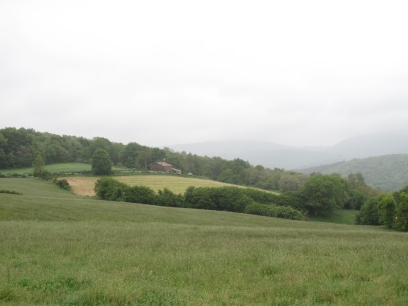
Yesterday we continued our journey through the valley of Baztan, Navarra, close to the border with France. In this valley there are more than 15 small villages, we stopped in Arizcun (in Basque Arizkun), a village of just 500 inhabitants, where Oskar, our young artisan of Idiazabal Cheese was waiting us.
The dairy is very small with limited production of about 2000 cheeses every two days, from November until the day of San Fermin according to the tradition.
Yesterday was the milking day; so they did not have to produce and they were free to kindly explain how the Idiazabal Cheese is made from the milking to the consumption.
Idiazabal cheese is made with raw milk from Latxa sheep a typical bred from Vasque country and Navarra. The milk is collected from different farmers of the Baztan Valley, even today many of them still milk manually.
 Oskar showed us the elaboration process of the Idiazabal cheese, following the traditional method and according with all requirements of the Ibizabal Cheese D.O. Then we tasted the three types of idiazabal Cheese, natural, smoked and aged, the last one has a curing period of 1 year approximately.
After this visit, we left Baztan Valley in direction to Madrid. In Burgos, we decided to stop in Villamayor del Río to visit our friends from Casalba. They welcomed us kindly as if we were pilgrims of the Camino de Santiago, which crosses this town.
After this stop, we took the road to Madrid, tomorrow Goyo will be waiting us in Madridejos, with our Artisan Manchego Cheese.
——————————————————————————————————————————————————
Descubriendo Olmeda: Día 3 Arizcun.
Buenos días, ayer 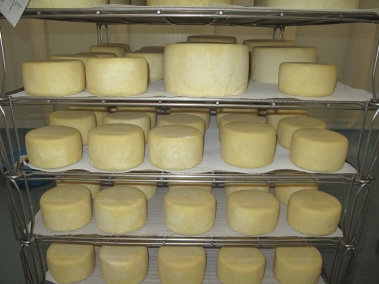 continuamos nuestro viaje por el valle del Baztan, Navarra, muy cerca de la frontera con Francia, el valle cuenta con alredor de 15 pequeños pueblos, nosotros nos detenemos en Arizcun (en euskera Arizkun), un pueblo de solo 500 habitantes, donde nos espera Oskar, nuestro joven productor de Queso Idiazabal Olmeda Orígenes.
La quesería es muy pequeña con producción limitada de aproximadamente 2000 quesos, cada dos días, desde el mes de noviembre hasta el día de San Fermín como marca la tradición. Ayer era día de ordeño por lo que no les tocaba producir y nos reciben amablemente para explicarnos el proceso de elaboración del queso Idiazabal desde el ordeño de las ovejas a su envasado.
El queso Idiazabal, esta hecho con leche cruda procedente de ovejas Latxa una raza característica de la zona, la leche se obtiene de diferentes ganaderos del valle del Baztan, de los cuales muchos a día de hoy continúan ordeñando de forma manual. 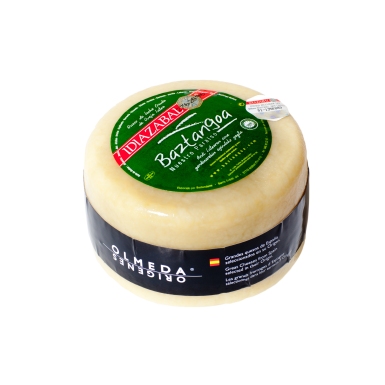
Oskar nos muestra el proceso de elaboración, siguiendo el método tradicional y cumpliendo todas las exigencias de la D.O. de Queso idiazabal. Posteriormente nos obsequian con una degustación de sus tres quesos, Idiazabal natural, ahumado y añejado, este último lleva más de un año de curación.
Una vez terminada la visita, salimos en dirección para Madrid, a mitad de camino decidimos parar en Villamayor del Río, un pueblo de Burgos donde visitamos a nuestros amigos de Casalba, que nos acogen amablemente como si se tratase de peregrinos del Camino de Santiago que por allí tiene su paso.
Tras la pausa reanudamos el camino hacia Madrid, mañana nos espera Goyo en Madridejos, para mostrar a nuestros importadores nuestro magnífico Queso Manchego Artesano.
Olmeda Origenes always #bestspanishfood. Olmeda Trip from town to town.


